North Main Greenville Historic District Homes Explained
August 13, 2026
August 13, 2026
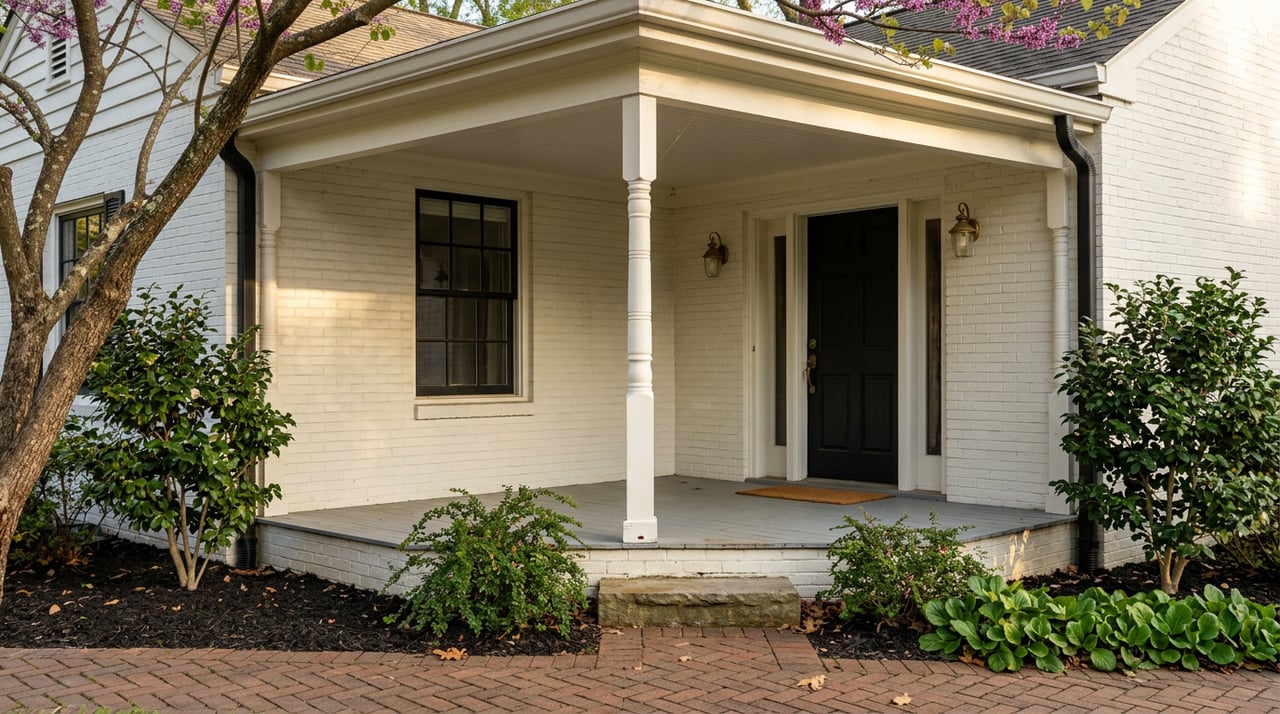
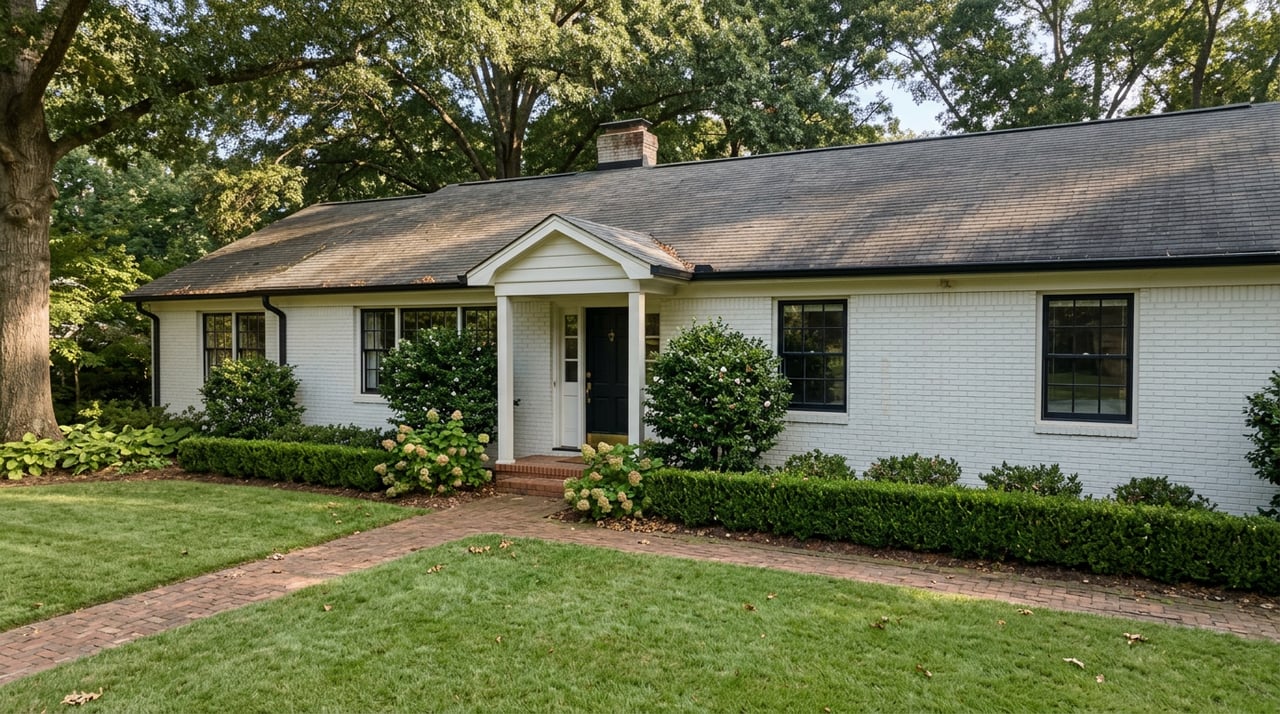
Say you're touring a 1920s brick bungalow near the intersection of Rutherford and Buist Streets. You love the porch, the hardwood floors, the mature oaks. You start mentally placing a primary suite addition over the garage. Then your agent mentions that before a contractor touches the exterior, the city's Historic Review Board has to sign off on it.
That sentence changes the math on the house. It doesn't show up in the listing photos, and it doesn't show up in the number everyone quotes when they talk about North Main real estate. But it's the reason that number is more complicated than it looks.
North Main's average home price sits at $710,000 in Redfin's most recent monthly snapshot, up 17.7 percent year over year. Compare that to Greenville's citywide median of $490,000 over the three months ending in May 2026, and you're looking at a gap of roughly $220,000. That's not unusual for a close-in, walkable neighborhood a few minutes from Falls Park on the Reedy and the Swamp Rabbit Trail. Location commands a premium everywhere.
What's unusual is the size of the jump year over year. A 17.7 percent swing in twelve months, in a neighborhood that isn't adding new lots, suggests something other than simple appreciation. It suggests the sales mix changed. And when you look at what's actually selling in North Main, that's exactly what's happening: the neighborhood contains two structurally different kinds of houses, and depending on which type sold more of in a given month, the average moves a lot.
Part of North Main sits inside the Colonel Elias Earle Historic District, added to the National Register of Historic Places in 1982 as the second historic district designated in the city. The district traces back to Colonel Elias Earle's estate, later subdivided as Greenville grew, with most of its homes built between 1915 and 1930 by businessmen who prospered in the postwar years. Architectural styles inside the boundary run Colonial Revival, Bungalow, Neoclassical, and Tudor Revival. Earle St. Baptist Church sits inside the district, and two individually listed properties, Whitehall (built in 1813) and the Earle Town House (built around 1810), predate the surrounding bungalow-era construction by a full century.
Sources differ slightly on exactly how many properties fall inside the boundary. State nomination records list 87. The commonly cited contributing-building count is 74. The difference likely comes down to how later infill and outbuildings get counted, but the practical point for a buyer is the same either way: this is a dense, mapped, historically documented pocket sitting inside the neighborhood everyone just calls "North Main."
A city historical marker near the district notes that "The Poplars," the center of Elias Earle's original estate, once stood at the northeast corner of Rutherford and Buist Streets. That's the same corner where a buyer today might be pricing out a kitchen bump-out and running into a review process the seller down the street doesn't have to think about.
What actually governs renovation inside the Colonel Elias Earle boundary is Greenville's separate, local designation as a preservation overlay district. Properties inside that overlay fall under the city's Historic Review Board, which reviews applications for a Certificate of Appropriateness using the Secretary of the Interior's Standards for Rehabilitation alongside the city's own design guidelines for preservation overlay districts.
There's an upside worth knowing about too. The Hampton-Pinckney design guidelines note that South Carolina offers a state historic rehabilitation tax credit for owners who secure approval before starting work. It won't offset the timeline cost of review, but it changes the math on a full rehab if you plan the paperwork before the demolition.
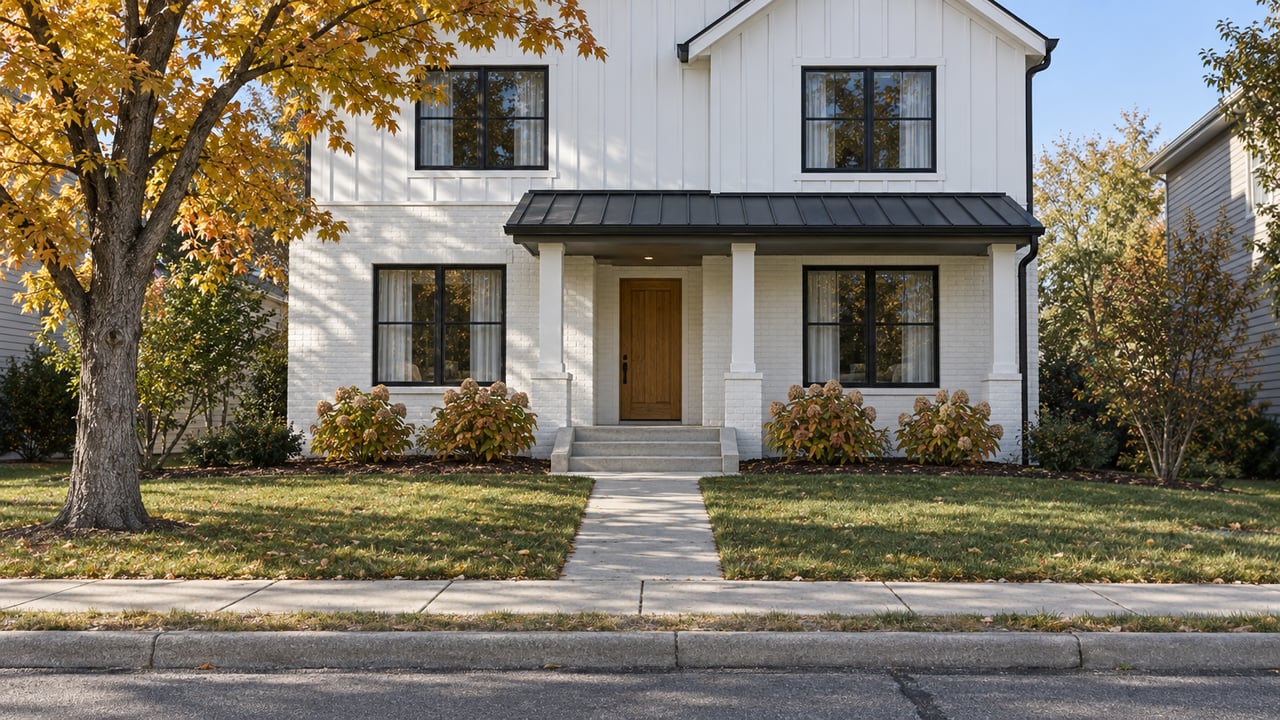
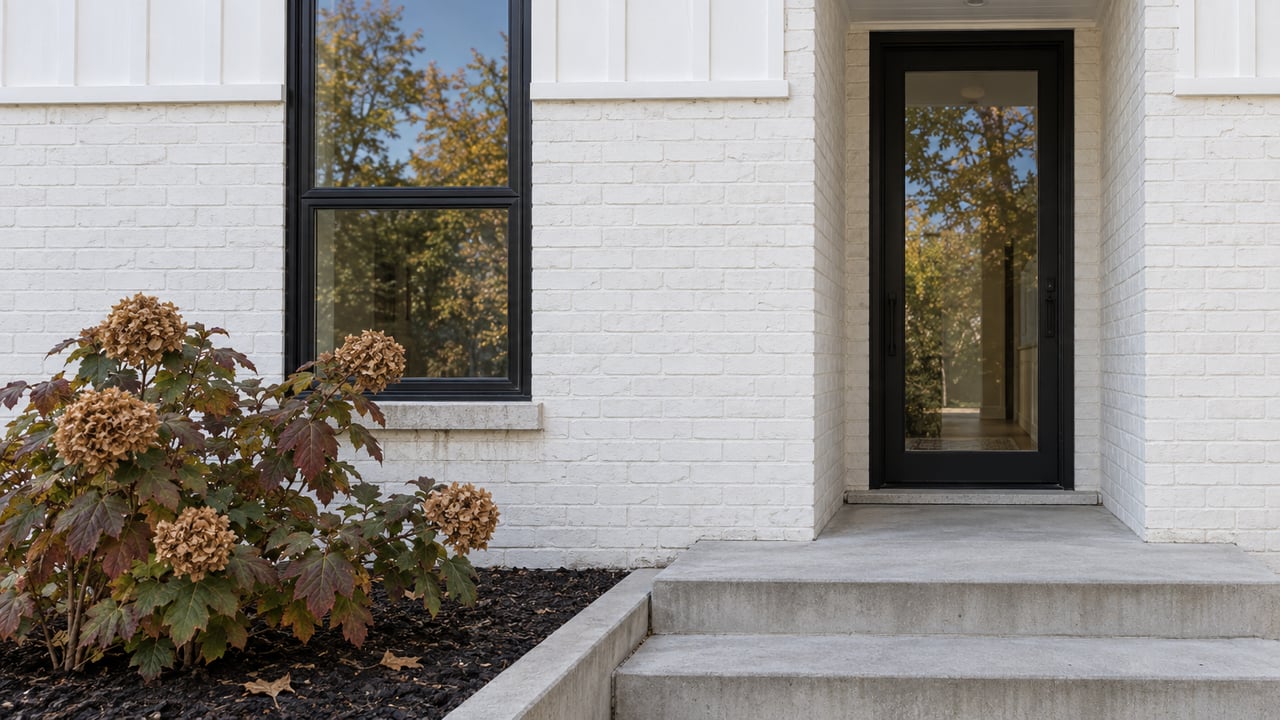
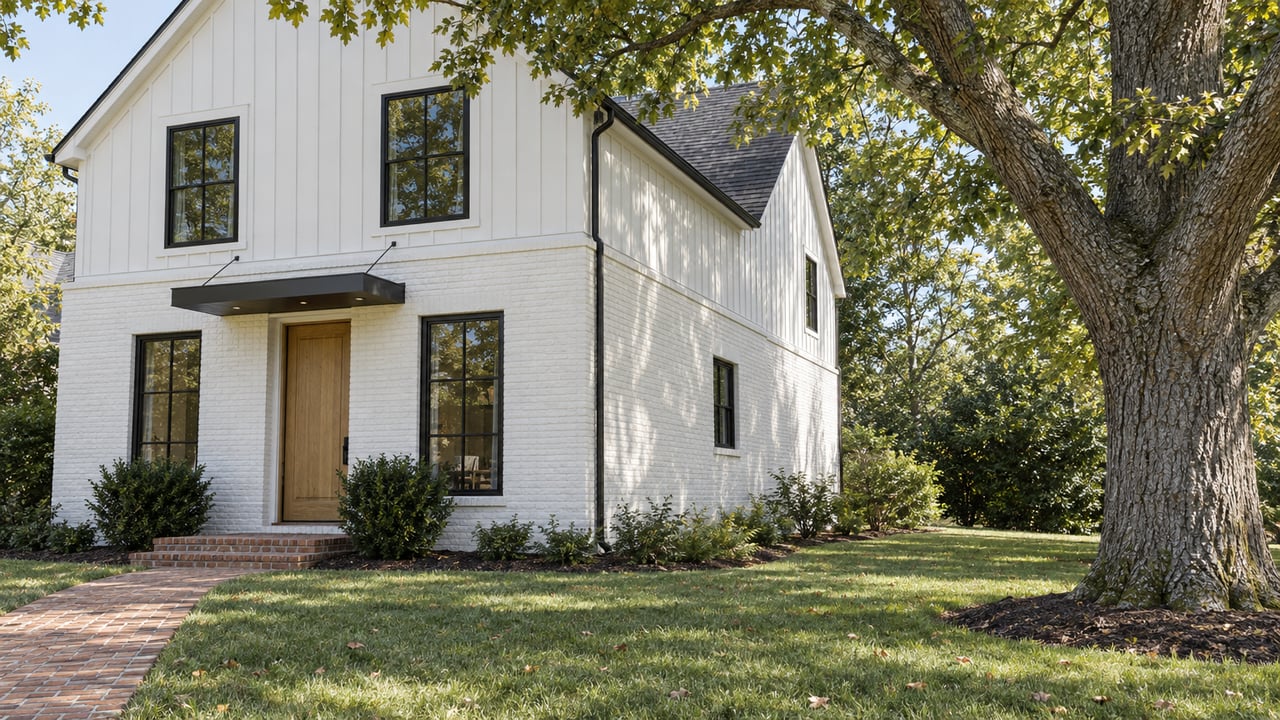
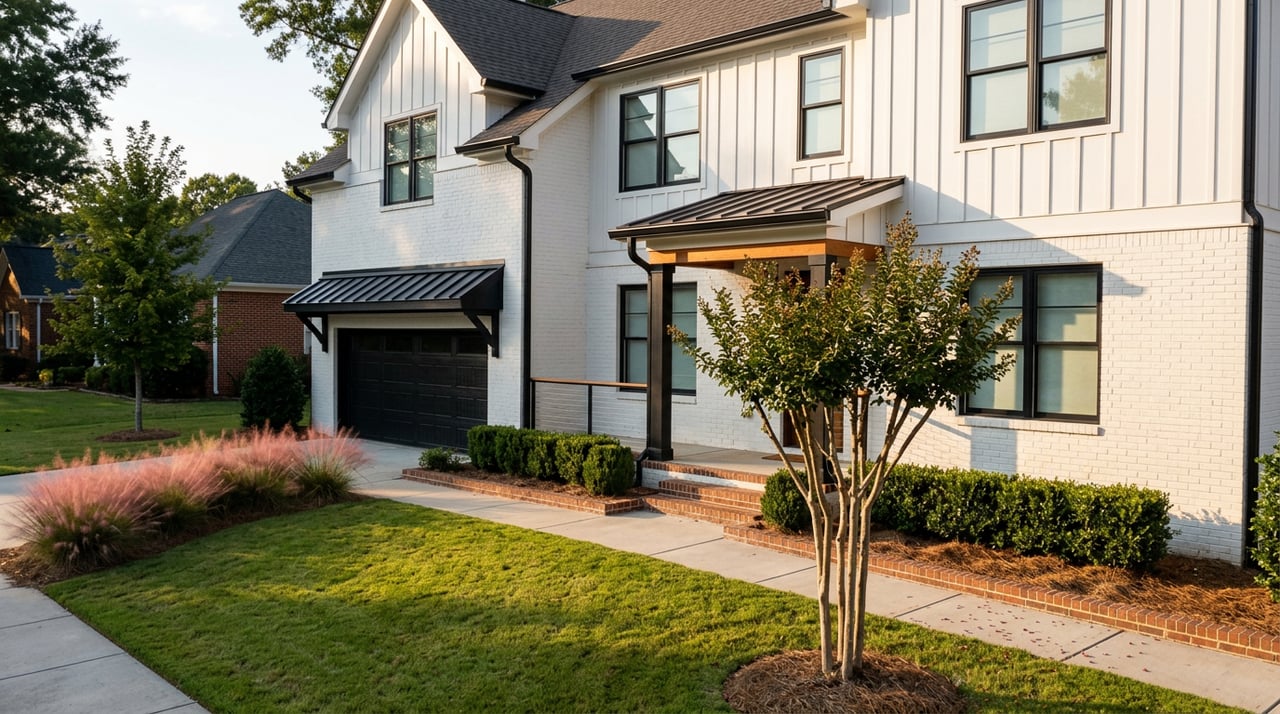
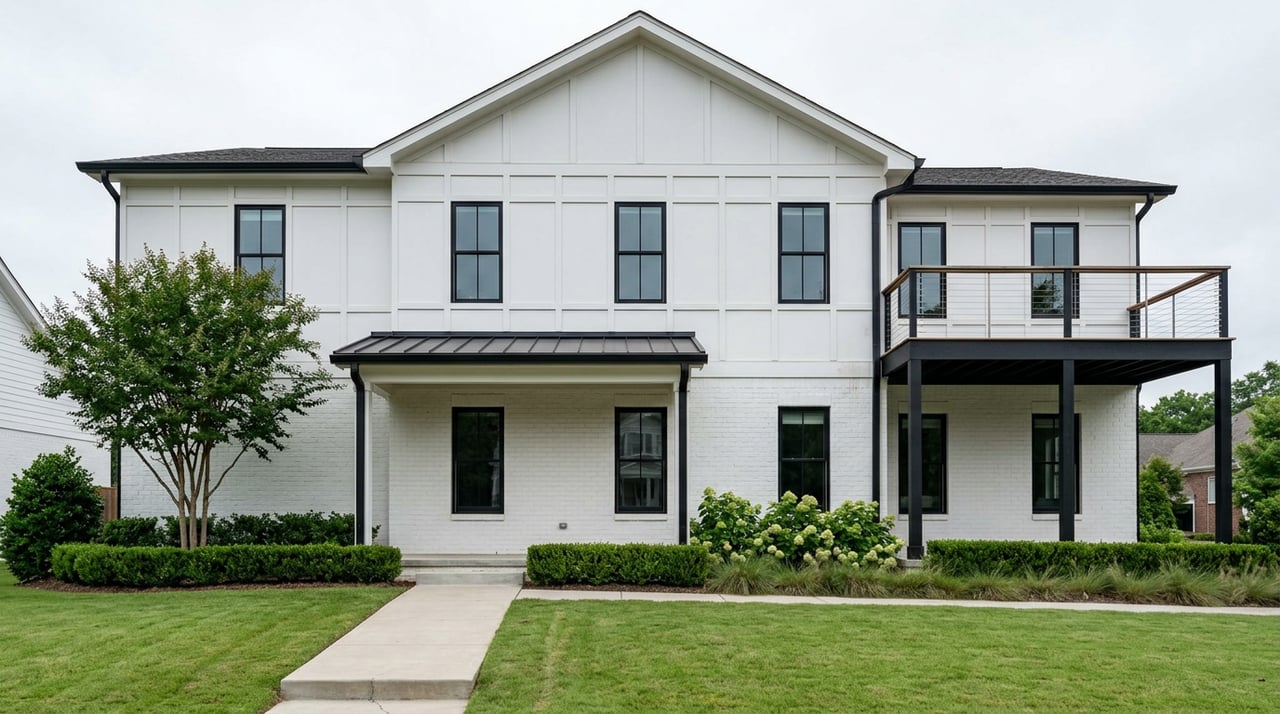
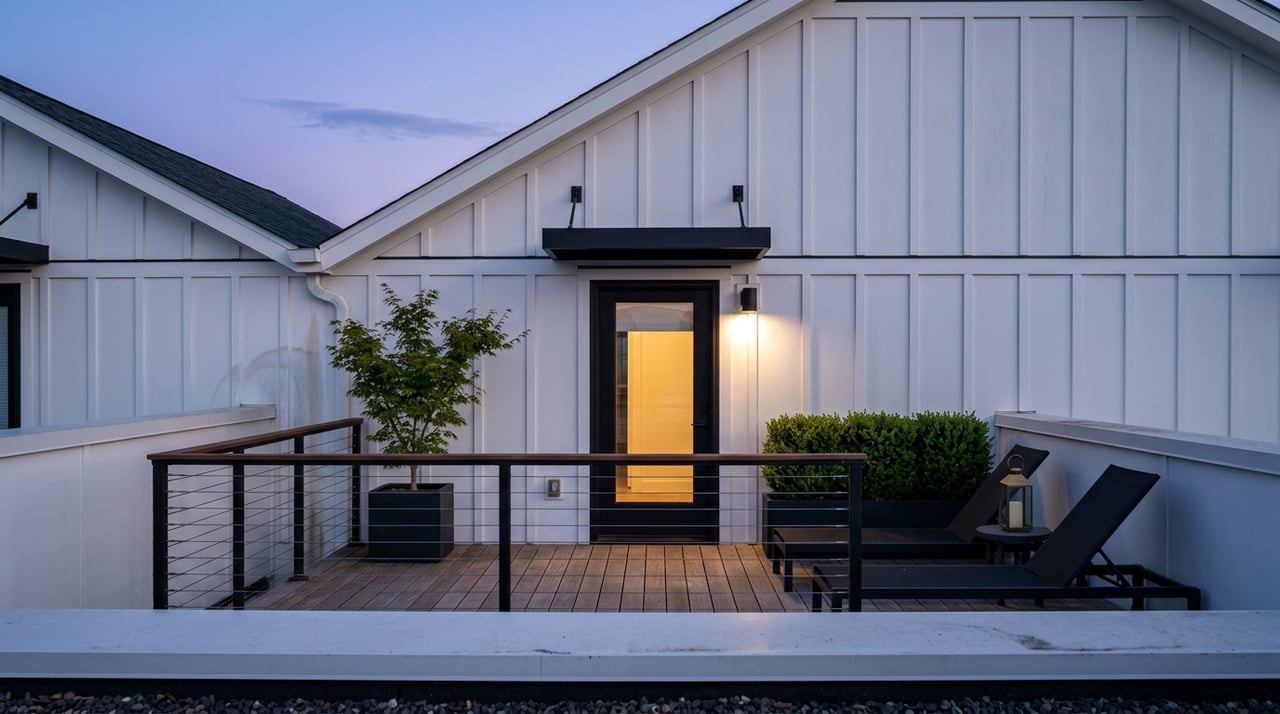
Outside that boundary, North Main looks like a different market entirely. The neighborhood has absorbed a wave of new construction and major renovations between 2015 and 2026, much of it leaning into contemporary craftsman and Scandinavian-inspired design.
That gives buyers a different mix of homes to compare, even though both houses might carry the same neighborhood name and the same zip code.
This is where the price data starts making more sense. An appraiser or a buyer's agent comparing "recent North Main sales" is often comparing two different products: century-old homes and modern or majorly renovated homes. Those two categories don't always move together. A month with more historic-district sales pulls the average one direction. A month with more new-construction closings pulls it another. A 17.7 percent year-over-year swing is easier to explain once you know the comp pool isn't one thing.
For a buyer, this matters beyond curiosity. If you're planning a future renovation as part of your purchase decision, the average price of "North Main" tells you almost nothing about what you're actually buying the right to do with the house.
A few questions worth answering before you get attached to a specific address:
None of this makes buying inside the historic district a bad idea. Some buyers want exactly what the overlay protects: a streetscape that can't be quietly eroded house by house. Others want the freedom to build without asking permission first. Both are reasonable goals. The mistake is assuming North Main's average price tells you which one you're getting.
If you're comparing a bungalow near Earle Street to a rebuilt craftsman a few blocks north, the number on the sign is the least useful piece of information you'll gather. Knowing which side of that boundary line you're on tells you far more about what happens after you close.
If you want a walkthrough of what a specific North Main address can and can't do under the city's design review process, Amanda Holmes can help you check the boundary before you write the offer. Schedule a consultation and bring the address.
This article is general information, not legal, tax or financial advice. Consult a qualified professional about your situation.
Stay up to date on the latest real estate trends.

Amanda takes pleasure in building relationships with her clients and their families, delving into their needs, and assisting them in discovering the ideal home that suits their distinctive lifestyles.