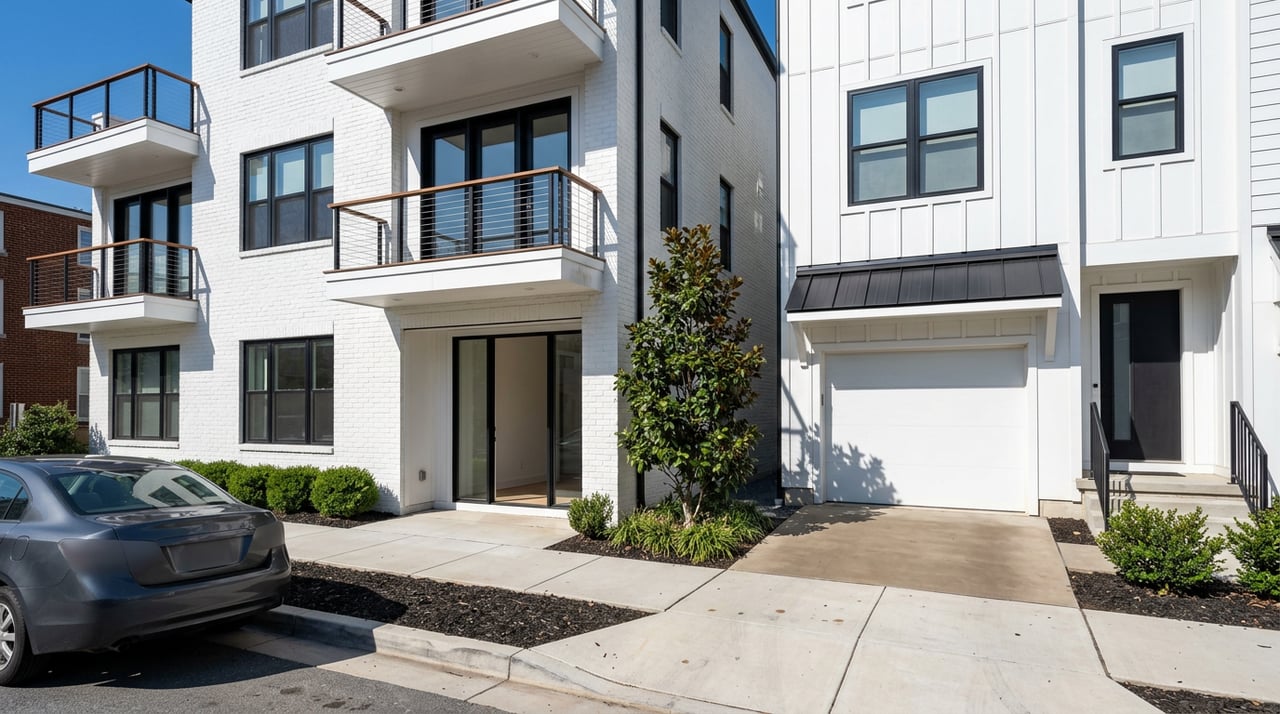
Downtown Greenville Condos vs Townhomes: How to Choose
March 5, 2026
March 5, 2026
Trying to decide between a condo or a townhome in Downtown Greenville? You are not alone. Buyers often weigh price, HOA dues, parking, and lifestyle details like walkability and outdoor space. In this guide, you will learn the key differences, what your money buys downtown, and a simple framework to choose with confidence. Let’s dive in.
Condominium refers to a legal form of ownership. You typically own the interior of your unit and a share of the common areas. The association manages and insures the building’s exterior, roof, elevators, and common systems, guided by recorded CC&Rs and bylaws. For a clear primer on how associations allocate responsibilities, review the Community Associations Institute overview of condo and HOA management principles.
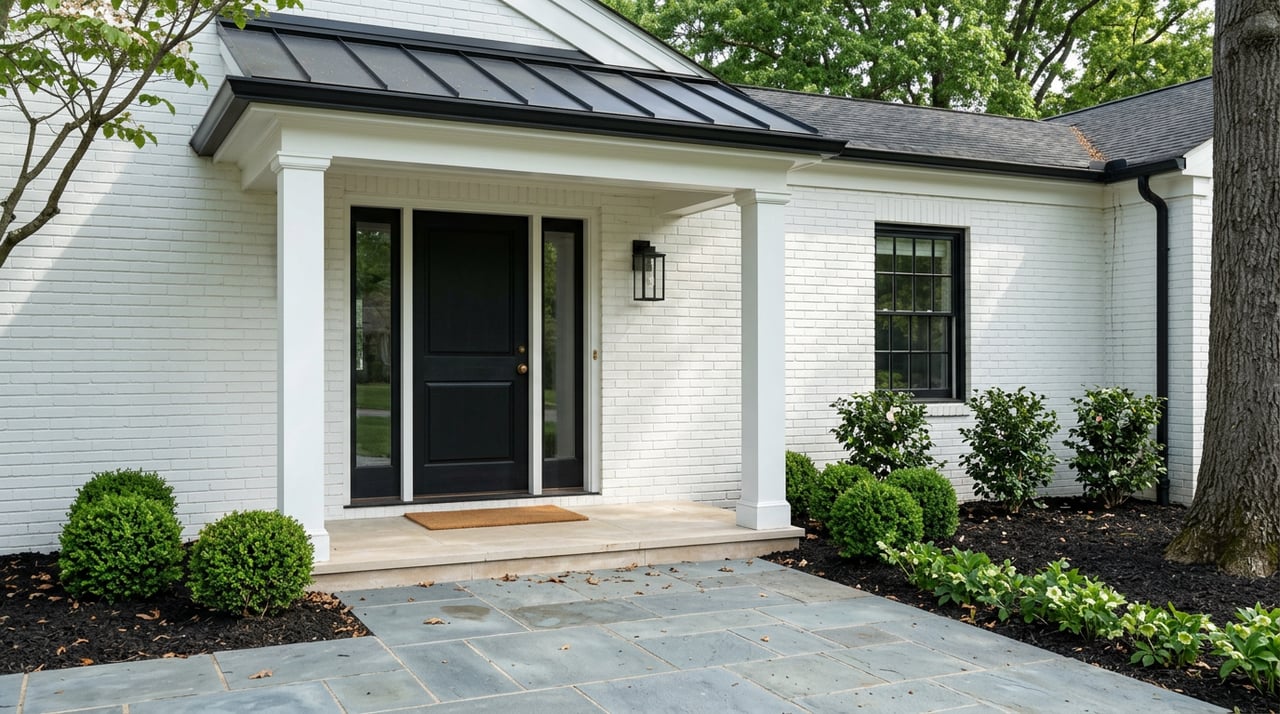
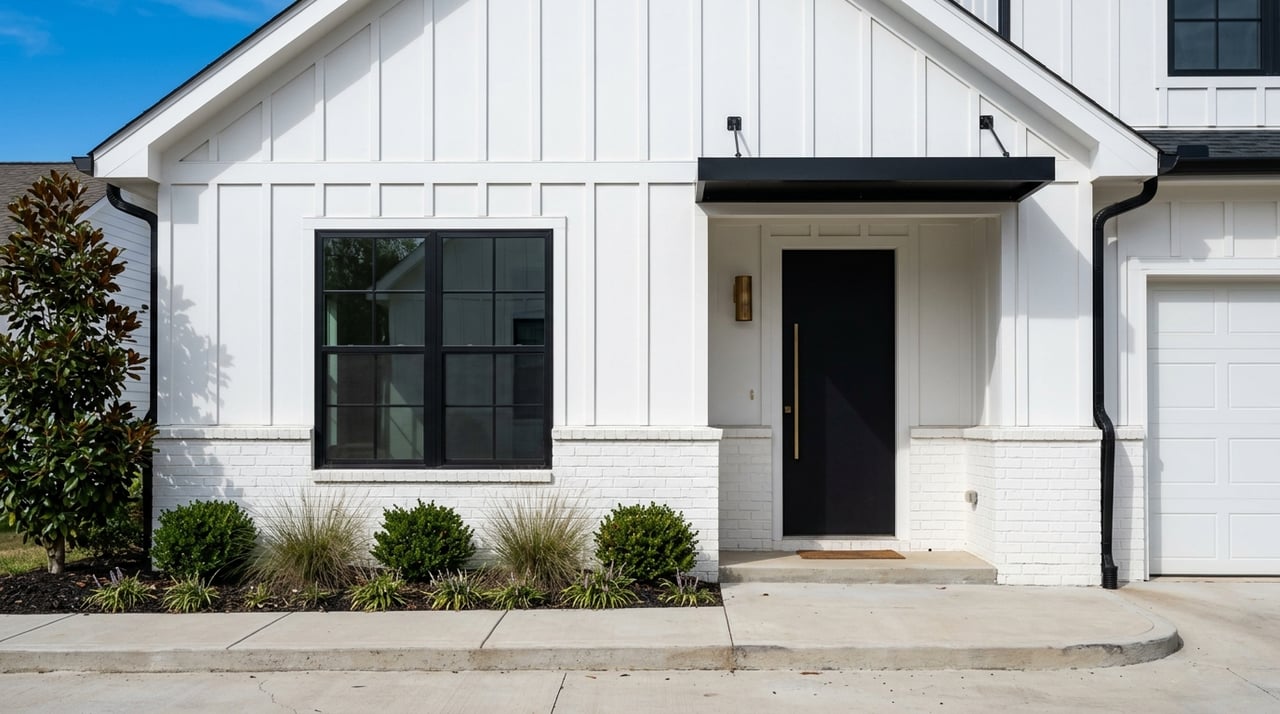
Townhome refers to a building style and can take different legal forms. Many townhomes are fee simple, where you own the structure and the land under it, even if there is an HOA for shared landscaping or amenities. Some townhome communities are legally condominiums, which changes who handles the roof and exterior. Always confirm the legal form and the maintenance matrix in the governing documents before you write an offer.
Helpful background on HOA roles and documents is summarized in CAI’s management guide on Scribd. You can use it to understand why reserves, master insurance, and maintenance standards matter for your costs and peace of mind.
Market snapshots for Downtown Greenville (29601) vary by source and time window. Recent neighborhood reports have shown a median sale price around the mid to upper 500s, while a broader 12 month view has landed closer to the mid 600s. Both snapshots also show wide ranges for attached homes downtown. Smaller one bedroom condos can land around the low 300s to mid 500s, while premium condos and penthouses can exceed 800k to 1 million. Several new or recent townhome projects near the core have posted sales in the upper 400s to mid 500s, with larger or premium units higher.
The key takeaway is simple. Use a fresh six to twelve month comp set for the exact block and building type you are targeting. Downtown is hyper local, and pricing can shift quickly with building amenities, parking, and views.
Typical HOA dues for downtown condos and townhomes often fall in the 200 to 600 plus per month range. In many condo buildings, dues commonly include the building envelope, roof, exterior paint, elevators, common area utilities, trash, and master insurance. That reduces your personal maintenance, but raises the monthly line item.
Townhome HOAs often cover shared landscaping and limited common areas. If your townhome is fee simple, you may be responsible for your roof, siding, and exterior systems. National research places the median HOA around 125 per month, and urban downtown communities often run higher because they bundle more services. The smart approach is to compare dues to the list of services line by line.
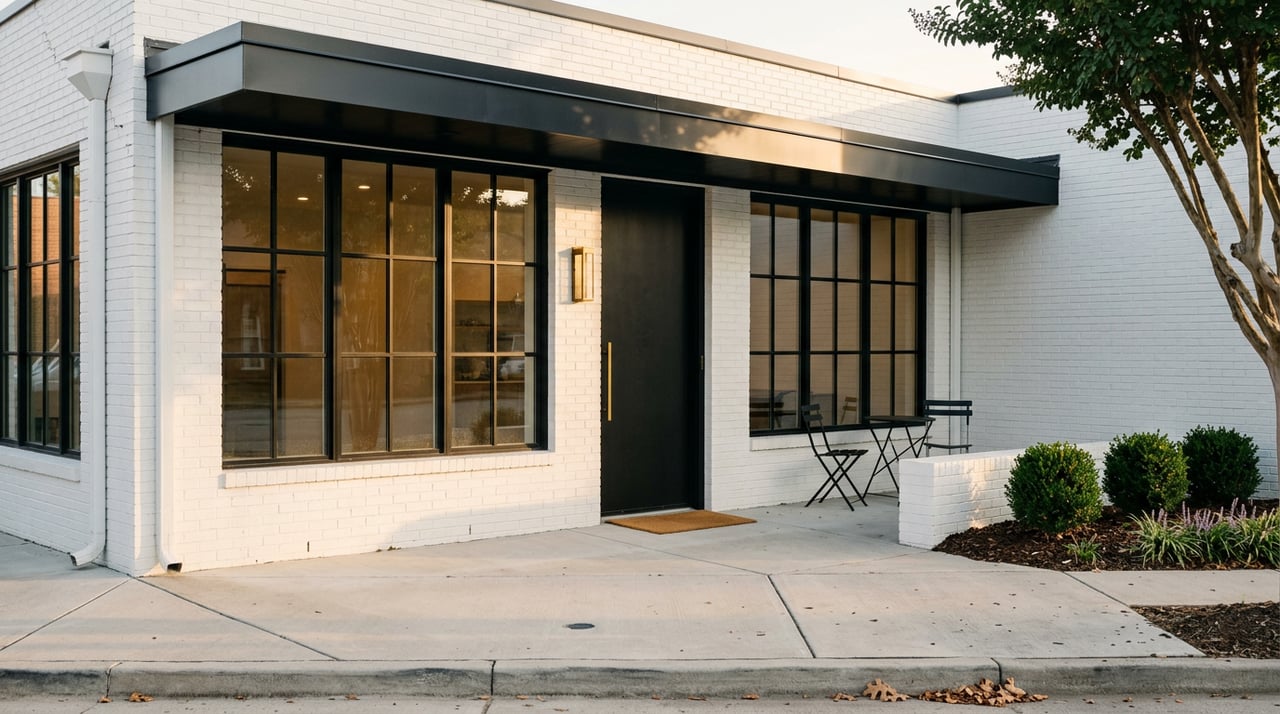
Downtown Greenville’s core near Falls Park and Main Street is easy to love. Falls Park Drive holds a Walk Score of 85, labeled Very Walkable, which is a big reason buyers choose attached homes here. If you prize restaurants, parks, theaters, and errands on foot, a downtown condo or townhome can keep you close.
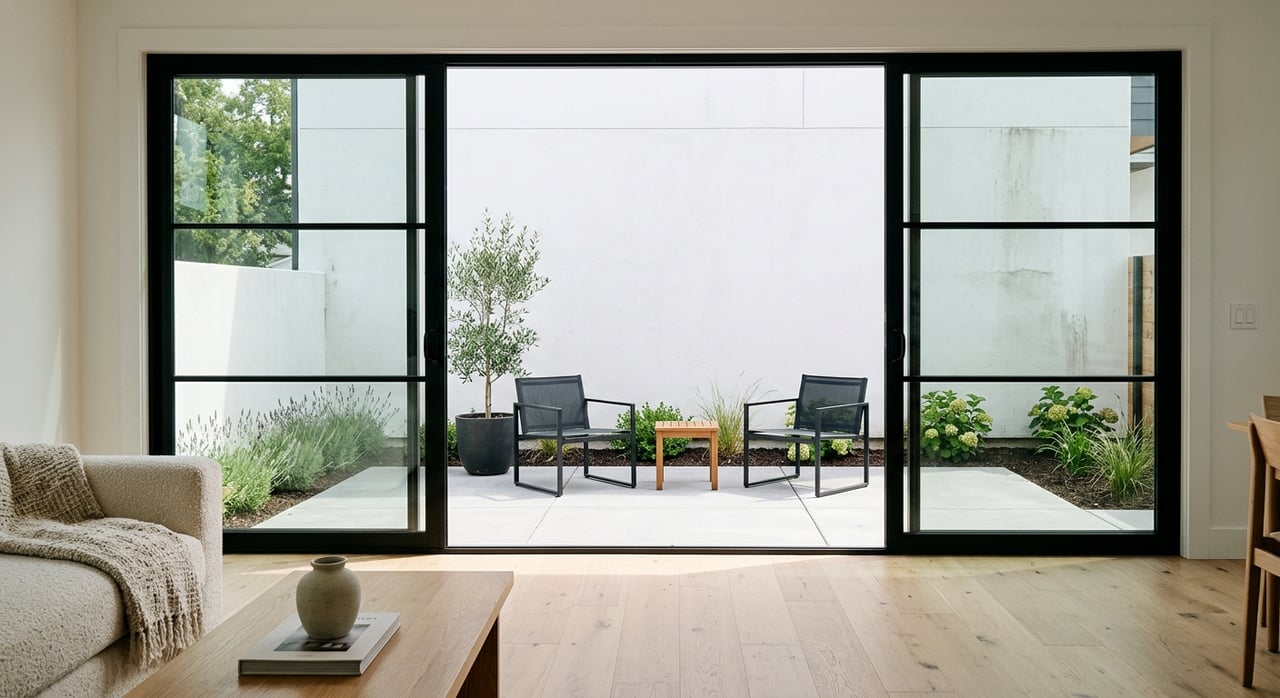
Condos often trade private yard space for on site amenities and views. Townhomes often provide a private entry, a small patio or rooftop, and a layout that feels closer to a single family home. Decide how much private outdoor space you truly need, then weigh that against walkability and building amenities.
Parking is one of the biggest variables downtown. Some condos include deeded or assigned garage spaces, which carry a premium. Others rely on the city’s strong public parking network of garages and lots near Main Street and Falls Park. The City offers hourly rates, daily caps, monthly permits, and Night Owl passes for evening and weekend access.
If a listing does not include on site parking, factor the monthly permit cost and your driving routine into the decision. Ask about guest parking, event pricing, and EV charging in nearby garages. Several downtown garages include EV chargers, which can be a real plus.
What your HOA covers drives your budget and your risk. In condos, the master policy usually insures the building shell and common elements, while you carry an HO 6 walls in policy for your unit’s interior improvements, contents, and personal liability. In many fee simple townhomes, you carry a standard homeowners policy, often an HO 3, that insures the structure as well as contents and liability. The exact split depends on the governing documents and the master policy, so verify both before you bind insurance.
Smart due diligence includes pulling the declaration and CC&Rs, bylaws, rules, current budget, year to date financials, reserve study or reserve balance, insurance declarations, minutes from the last 12 months, and any notices of special assessments or litigation. These documents reveal whether reserves are adequate, how maintenance is allocated, and if any building systems need capital work soon.
South Carolina provides a lower assessment ratio for owner occupied homes. Your tax bill depends on the parcel, tax district, exemptions, and current millage. For any specific property, it is best to check the Greenville County Real Property search to estimate current taxes and to verify the legal residence status.
Condo financing can involve project reviews. If you plan to use FHA or VA, the project may need approval, or you may need to pursue a single unit approval. Conventional lenders can also apply project requirements. Townhomes that are fee simple are often underwritten like single family homes, which can be simpler.
Because of these differences, some condo units can sell at a discount if they lack common mortgage program eligibility. Always verify project approval status and rental rules early, since they can affect both financing and future buyer pools. Downtown days on market can vary by season and price tier, so review a rolling six to twelve month set of comps in your target block or building.
Local examples help illustrate the tradeoffs. Historic conversions like The Davenport often showcase character and proximity, with HOA dues in the mid hundreds and varied parking. Newer infill townhomes near Hampton Pinckney or Unity Park commonly offer two car garages and more square footage in the upper 400s to mid 500s. Your lifestyle, parking needs, and appetite for amenities should drive the call.
Use this quick list during tours and before you write.
Resources for these steps: CAI HOA guide, Downtown parking options, HUD condo approval, and Greenville County Real Property.
You deserve advice that blends street level knowledge with practical, investor minded analysis. I will help you compare buildings, read HOA budgets and reserve studies, confirm parking realities, and model your monthly costs with clear assumptions. You will see clean, apples to apples comparisons of condos and townhomes on the exact blocks you care about.
When you are ready to tour, we will move fast but stay grounded in the details that protect your time and money. If you want a tailored short list and a clear plan to win the right downtown home, connect with Amanda Holmes. Schedule a consultation and let’s make a confident move.
Stay up to date on the latest real estate trends.
Amanda takes pleasure in building relationships with her clients and their families, delving into their needs, and assisting them in discovering the ideal home that suits their distinctive lifestyles.