Experience a Car-Light Downtown Greenville Lifestyle
February 5, 2026
February 5, 2026
Wondering if you can live most days without your car in Downtown Greenville? If you love the idea of walking to dinner, biking for fun, and grabbing errands on foot, you’re in the right spot. You’ll learn what car-light living looks like here, where it works best, and how to choose a home that supports your lifestyle. Let’s dive in.
Downtown Greenville’s core is compact and activity-dense. Main Street, the West End, and the Falls Park corridor sit within a few walkable blocks, with restaurants, cafés, cultural venues, parks, and services nearby. If you live inside this core, many daily needs fit into a 5 to 15 minute walk.
“Car-light” here often means you still own a car, but you use it less. You might walk to dinner, ride a bike for errands, and use rideshare on busy nights. Some residents live without a car entirely, though that is less common.
Main Street is designed for pedestrians with frequent crossings and steady foot traffic. From the Liberty Bridge area, you can reach West End restaurants, cafés, and shops in just a few blocks. Many residents find it easy to meet friends, attend events, and run quick errands without starting the car.
Walkability is block by block. Tools that rate walkability typically score the downtown core as very walkable, but your experience depends on your exact building and needs. Always check distances to your personal essentials.
Falls Park on the Reedy is the signature green space at the heart of downtown. The Liberty Bridge, riverfront lawns, and regular programming make it a daily amenity for nearby residents. Expect vibrant foot traffic on weekends and evenings.
The Swamp Rabbit Trail is a paved multi-use path with downtown access points close to the West End and Main Street. It is popular for biking, walking, and casual rides to coffee or lunch. The trail runs north toward Travelers Rest for roughly 20-plus miles and supports a car-light lifestyle by connecting parks, businesses, and neighborhoods.
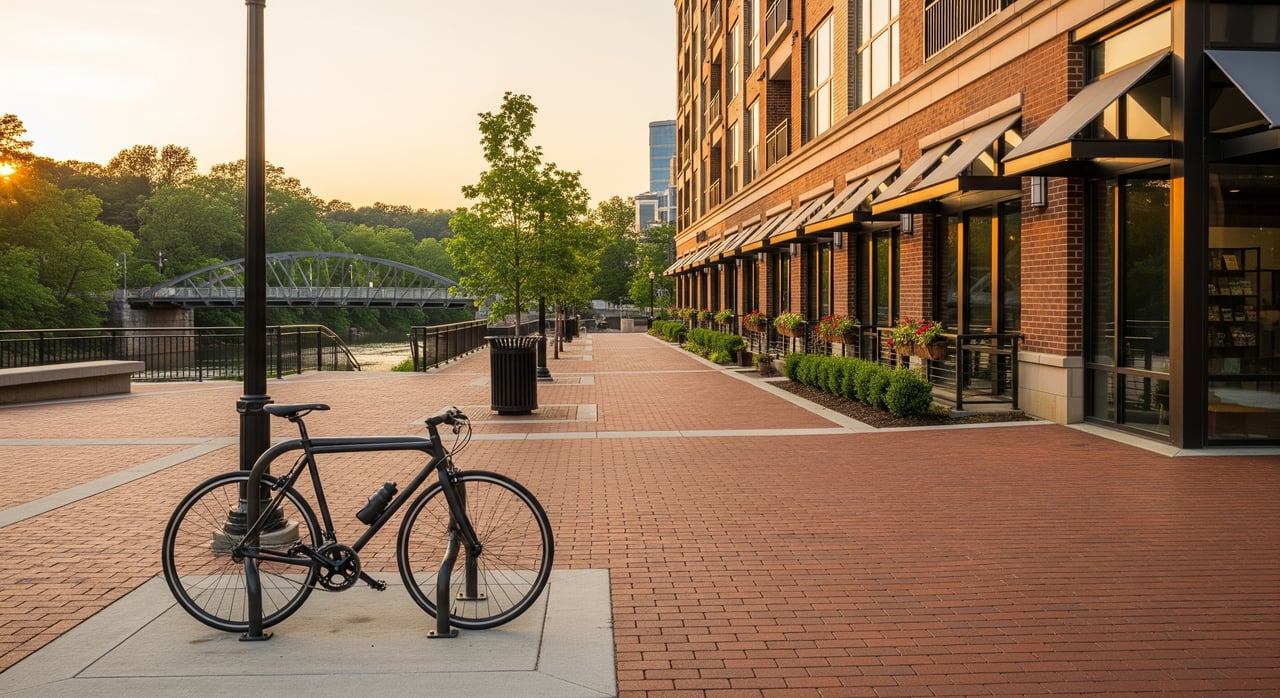
Cycling is a practical option for short trips, especially when you can use the Swamp Rabbit Trail. Bike racks and nearby bike shops make it easier to maintain your gear. Protected lanes and routes change over time, so review current city maps if biking will be part of your routine.
Greenlink, the city’s bus system, operates routes through the downtown area and adjacent neighborhoods. Schedules and frequencies can shift, so check current timetables before you plan a commute. For nights out or rainy days, ride-hail services, taxis, and private shuttles are common backups.
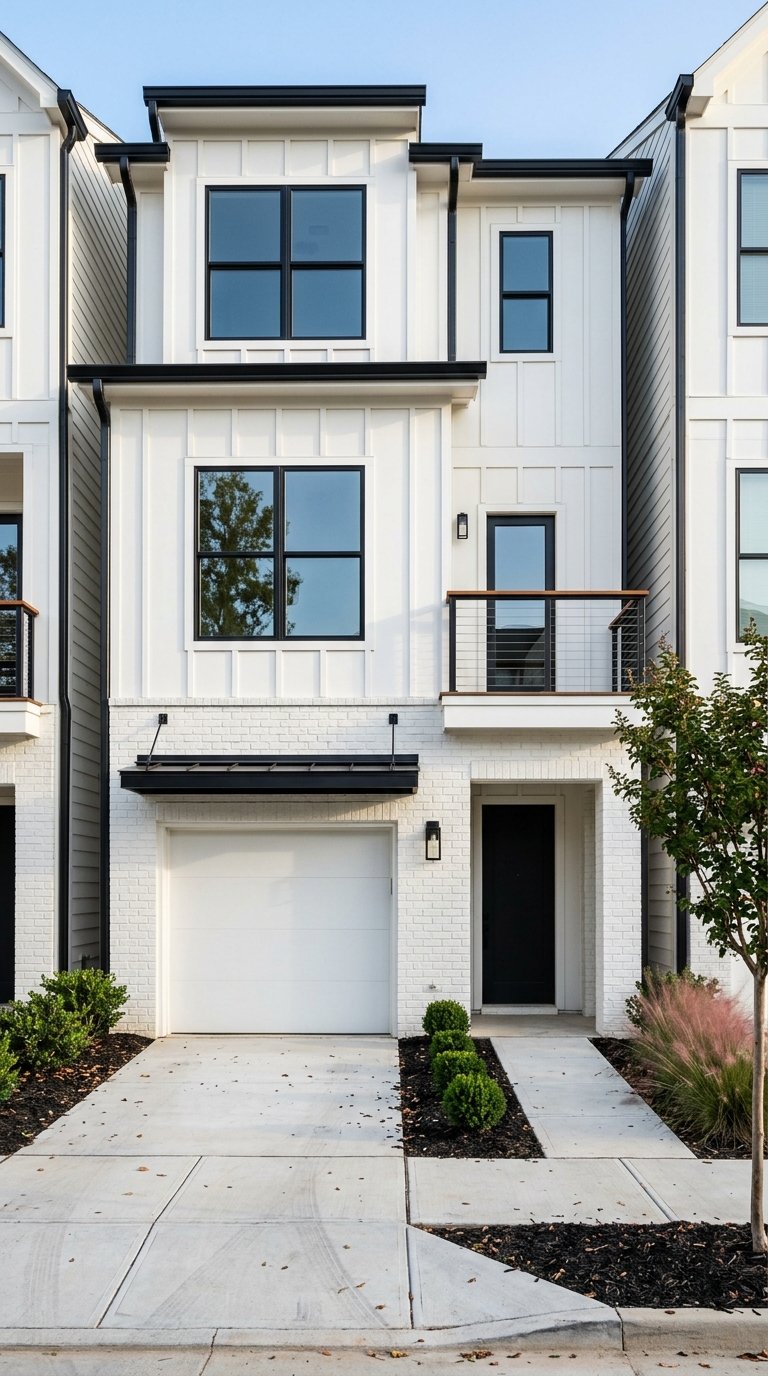
You will find several housing types inside the core:
Ownership and renting are both active downtown. Condo and townhome ownership is common for buyers who want to be in the core. Remember to factor in HOA or condo fees, parking costs, and Greenville County property taxes when you compare options.
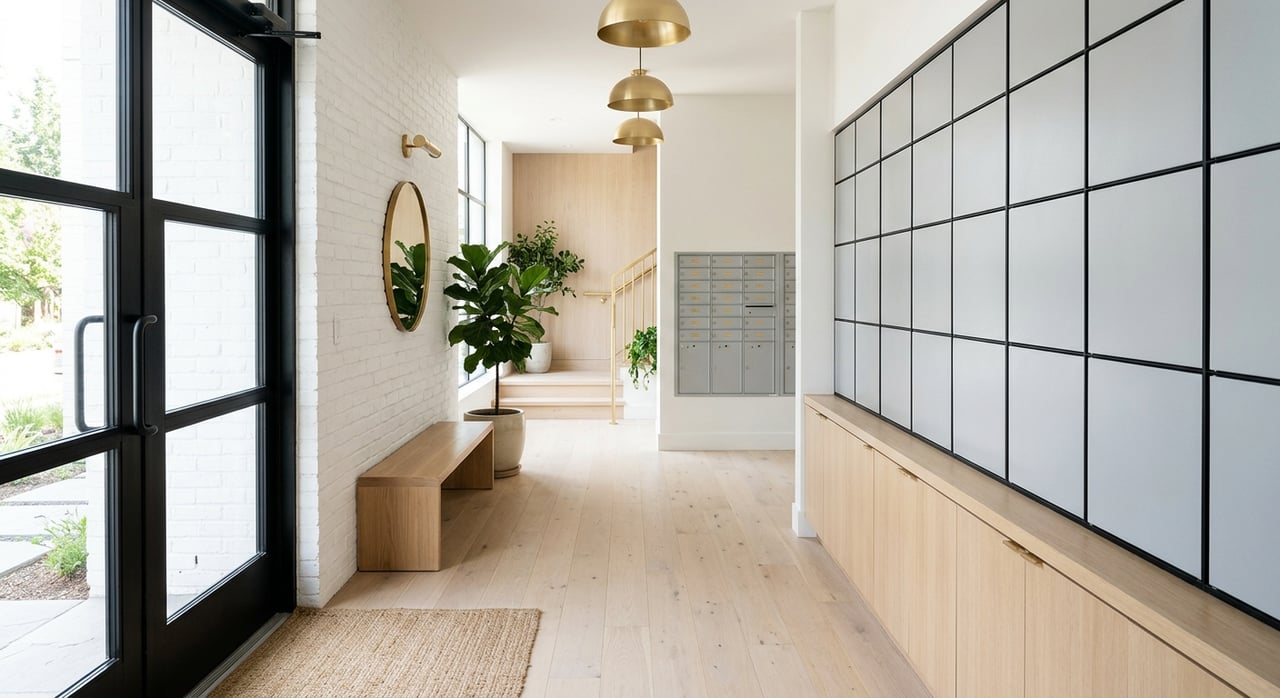
Building features that help you drive less:
Tradeoffs you should weigh include smaller storage, more exposure to nightlife noise on lower floors, and limited guest parking during events.
Downtown offers a mix of small markets, specialty grocers, pharmacies, banks, and personal services. Depending on your block, a full-service grocery may be a longer walk, which is why many residents use grocery delivery or plan occasional bulk trips by car.
Clinics, dentists, and professional services are present in and around the core. Major hospitals and larger medical centers are a short drive away, which is helpful if you need regular appointments.
If you have pets, verify building pet policies. Many downtown buildings allow pets with weight or breed rules and added fees. Access to Falls Park and the Swamp Rabbit Trail makes daily dog walking simple without a car.
Many downtown residences include assigned spaces in a garage or lot. Others depend on metered street spaces or paid municipal garages. Meter rules and time limits vary by zone, and event days can compress availability.
Visitor parking typically means metered streets, short-term garages, or following special event-day policies. Ask about guest options, time limits, and any restrictions before you commit to a building.
Tips to make parking easier:
The Peace Center, Fluor Field, and the Bon Secours Wellness Arena contribute to a lively calendar of concerts, games, and shows. This energy is part of the fun, but it can mean more crowds and occasional noise. Noise levels vary by building orientation and floor level. Units facing Main Street or active blocks tend to hear more evening activity.
Safety perceptions vary by block and time of day. Review neighborhood-level data and police crime maps for an accurate picture instead of relying on broad assumptions. For accessibility, sidewalks and crosswalks are generally strong in the core, but always verify building elevator access, ramps, and curb conditions along your daily routes.
Singles, couples, and empty nesters often find car-light living easy and enjoyable in the core. Families who need more space or yard access sometimes choose nearby neighborhoods and drive or bike into downtown for parks and events. Public school assignments depend on your exact address, so verify zones during your search.
Use this quick checklist to find a home that supports your goals:
Car-light living in Downtown Greenville is very doable when you match your lifestyle to the right block, building, and amenities. A local, hands-on guide can help you compare options, weigh HOA budgets, understand parking rules, and balance convenience with cost. If you are buying, selling, relocating, or investing, you deserve tailored advice backed by local experience and investor-minded insight.
Ready to explore listings and compare blocks with a trusted neighborhood advisor? Connect with Amanda Holmes to schedule a consultation.
Stay up to date on the latest real estate trends.
Amanda takes pleasure in building relationships with her clients and their families, delving into their needs, and assisting them in discovering the ideal home that suits their distinctive lifestyles.