Thinking about a condo near Falls Park or off Main Street, but unsure what those HOA fees actually cover? You are not alone. Condo fees can feel confusing at first, and they play a big role in your monthly budget and long-term peace of mind. In this guide, you will learn what fees typically include, how to read an association’s financial health, how amenities affect costs in Downtown Greenville, and the steps to compare buildings with confidence. Let’s dive in.
What condo fees cover
Condo fees are payments you make to the association to maintain the building and plan for future repairs. They keep daily operations running and help avoid surprise costs.
Common inclusions
- Exterior building maintenance and repairs
- Common-area housekeeping and upkeep for lobbies, corridors, and elevators
- Landscaping and grounds care
- Common utilities like water, sewer, trash, and electricity for shared spaces
- Building systems service for elevators and common-area HVAC
- Property and liability insurance for shared elements (master policy)
- Professional management fees
- Security or concierge services
- Amenity operations and maintenance for fitness centers, pools, and rooftop decks
- Legal, accounting, and administrative costs
- Contributions to the reserve fund for future capital replacements
What fees rarely include
- Interior repairs and maintenance inside your unit
- Your individual utilities, such as electricity or gas, unless stated in the budget
- Your personal property insurance (HO‑6 policy for interiors and contents)
- Your mortgage and taxes
Parking, storage, and cable or internet may be included or separate. Always verify in the budget and governing documents.
Why fees vary in Downtown Greenville
Fees reflect the building’s age, condition, amenity set, insurance needs, and how many units share the costs. Two buildings with similar locations can have very different fees based on what they offer and how they plan for the future.
Amenities that drive costs
- On-site concierge or staffed security
- Fitness centers, pools, spas, and rooftop terraces
- Structured parking garages and secure access systems
- Clubrooms, event spaces, and business centers
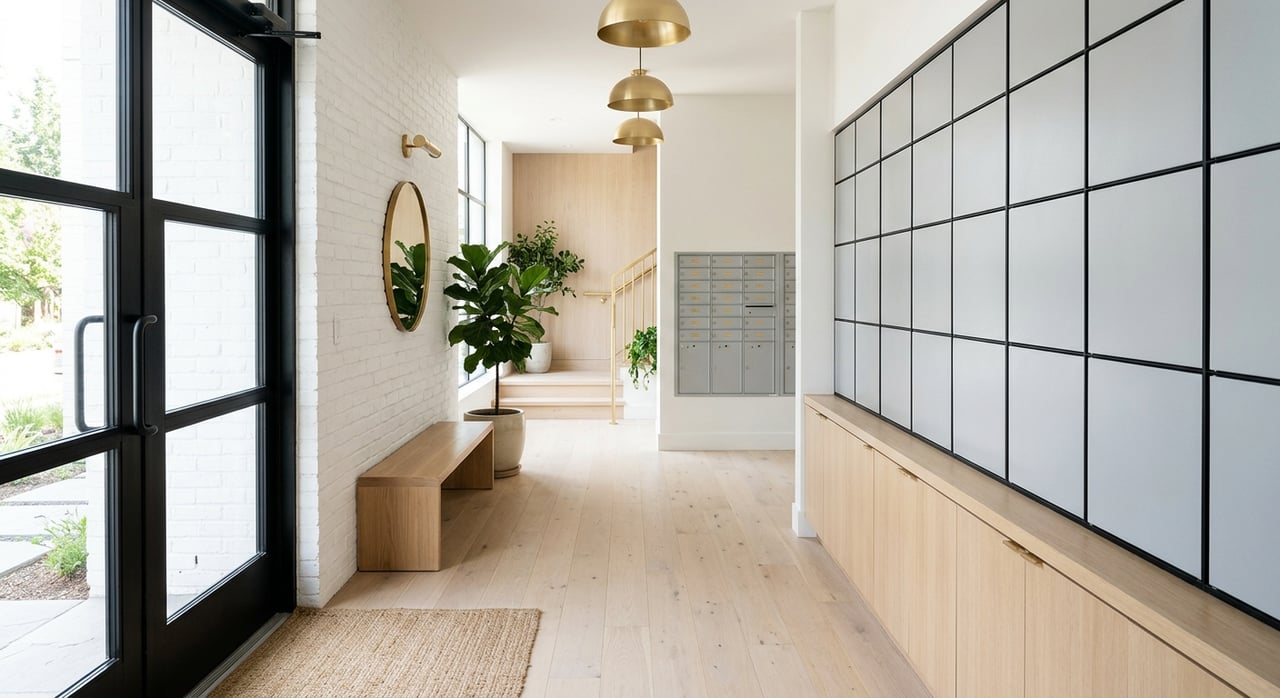
- Package rooms and mail handling
- On-site management and building engineers
A building with a concierge, gym, and pool will usually have higher operating costs and larger reserve targets than a simpler elevator building. Smaller associations may see higher per-unit fees because the same costs are split across fewer owners.
Local factors to verify
- Parking: Assigned, deeded, or leased parking can affect both monthly fees and resale value. Ask how spaces are allocated and billed.
- Flood and drainage: Proximity to the Reedy River can mean additional flood risk. Review official maps and confirm insurance needs as part of due diligence.
- Historic or older buildings: Older exteriors, roofs, or systems may increase reserve needs and project planning.
- Utilities: In some buildings, water, sewer, and trash are included. In others, they are billed separately. Confirm what is covered in the monthly fee.
Association financial health
Healthy association finances protect your property and help avoid surprise costs. Focus on reserves, special assessments, insurance, and cash flow.
Reserves and reserve studies
The reserve fund pays for major items like roofs, elevators, paving, and common-area HVAC when they eventually wear out. A professional reserve study identifies each component, estimates its remaining life and replacement cost, and recommends annual funding.
Key things to look for:
- Date of the latest reserve study and whether it is a full study or an update
- Current reserve balance and whether it is growing or shrinking
- Percent-funded, if provided: actual reserve balance divided by the fully funded balance
- Planned projects in the next 1 to 5 years and how they will be funded
- Whether budgeted reserve contributions match the study’s recommendation
A higher percent-funded ratio generally signals stronger preparation for future work.
Special assessments and other indicators
Special assessments occur when the association needs to fund repairs or costs that exceed reserves and the operating budget. Review the history of assessments and the reasons behind them.
Other important indicators:
- Delinquency rate for unpaid dues and the impact on cash flow
- Operating fund balance and months of operating cash on hand
- Whether financials are audited, reviewed, or unaudited
- Insurance policy type and deductible for the master policy
- Any pending or active litigation that could create unexpected liabilities
Red flags to watch for
- No recent reserve study or one older than 3 to 5 years
- Very low reserve balances compared to needs
- Recent or repeated special assessments
- High or rising delinquencies
- Opaque financial disclosures or no audited financials for larger associations
- Insurance with very high deductibles or limited coverage for common hazards
How to compare buildings step by step
Bring a simple framework to your search so you are comparing the right things, not just the headline monthly fee.
Documents to request
Ask the seller, listing agent, or association manager for a resale package that includes:
- Current budget and the most recent budget-to-actual comparison
- Most recent reserve study and current reserve account balance
- Recent financial statements and any audits or reviewed financials
- Board meeting minutes from the last 12 to 24 months
- Declaration/CC&Rs, bylaws, and the rules and regulations
- Insurance certificate for the master policy with coverage limits and deductibles
- Estoppel or resale certificate that confirms current fees and any pending assessments
- Any pending or threatened litigation disclosures
- Owner delinquency report, if available
- Management contract if a professional manager is used
Metrics to calculate
Use these practical comparisons to go deeper than the fee amount alone:
- Fee per square foot: monthly fee divided by unit square footage
- Reserve percent-funded: reserve balance divided by fully funded balance
- Special assessments: note amounts, frequency, and reasons
- Delinquency rate: total overdue assessments divided by total billed assessments
- Operating cash months: operating fund balance divided by monthly expenses
These numbers help you compare buildings on a level field, even when units and amenities differ.
Reading minutes and budgets
Board minutes often signal upcoming capital projects, policy changes, or disputes before they show up in the budget. Look for discussion of reserve draws, bids for major repairs, and talk of special assessments. Budgets should show realistic operating costs and reserve contributions that align with the reserve study.
Affordability and your loan
Your monthly housing cost is more than the mortgage payment. Condo fees affect your debt-to-income ratio and your comfort level.
How to factor HOA into your budget
Total monthly housing cost typically includes:
- Mortgage principal and interest
- Property taxes
- Homeowner’s insurance and any HO‑6 coverage for the interior
- HOA/condo fee
- Utilities not covered by the HOA
Many lenders look at total debt-to-income with a common guideline around 43 percent, although programs vary. Add your estimated condo fee into the total so your pre-approval reflects the full picture.
Questions to ask before you write an offer
- What exactly does the fee cover, and are water, sewer, or trash included?
- Is there a current reserve study? What is the reserve balance and percent-funded?
- Have there been special assessments in the last 5 to 10 years? Any pending?
- What is the current delinquency rate?
- Are any major projects planned in the next 1 to 5 years?
- What are the master policy limits and deductible? What must owners insure?
- Are rentals or short-term rentals allowed, and are there caps?
- How are parking and storage assigned and billed?
- Who manages the building, and what is the management contract term?
- Is there any pending or threatened litigation involving the association?
Work with a local advisor
Choosing a Downtown Greenville condo is as much about the building as the unit. The right partner helps you read the financials, compare amenities, and pressure test long-term costs so there are no surprises after closing. If you want a clear, investor-minded take on fees, reserves, and buy-versus-hold tradeoffs, let’s talk about your shortlist and your goals.
Ready to start? Schedule a friendly, focused conversation with Amanda Holmes to map out next steps and request the right documents from day one.
FAQs
What do Greenville condo fees usually cover?
- Common-area upkeep, shared utilities, master insurance, management, amenities, and contributions to reserves for future capital repairs.
How much should I worry about special assessments in Downtown Greenville?
- Review the last 5 to 10 years of assessments, the reserve study, and planned projects. Frequent or large assessments can signal deferred maintenance or underfunded reserves.
What is a reserve study, and why does it matter?
- It is a professional plan that lists major components, their remaining life and cost, and the annual funding needed. It helps prevent surprise costs and supports stable fees.
How do amenities like a concierge or pool affect my fee?
- Staffed services and amenity operations add ongoing costs and increase reserve targets. Expect higher fees in buildings with more amenities or fewer units to share costs.
Do Downtown Greenville condos include parking in the HOA fee?
- It depends on the building. Some have deeded or assigned spaces included, while others charge separate fees. Confirm allocation and billing in the documents.
Will I need flood insurance near the Reedy River?
- It depends on the property’s location and lender requirements. Review official maps, the master policy, and your lender’s guidelines to determine coverage needs.